Renovation Decisions That Add Value to Your Home
Renovating comes with plenty of decisions about where to spend, where to save and what will make the biggest difference to your home. Renovations that add value don’t always mean including a major extension in your plans, choosing expensive finishes or updating every room. Often, a good investment starts with identifying the things that don’t work particularly well now, then putting your budget towards improving them.
It could mean improving a kitchen layout that makes cooking difficult, creating proper storage where clutter always collects or choosing better quality fixtures for parts of the home you use every day.
Here are five practical renovation decisions to consider when deciding where your budget could work hardest.
1. Improve the layout where it isn’t working
Before changing a layout, pay attention to the areas that could work a little better day to day. They can tell you a lot about where your renovation budget might be better spent.
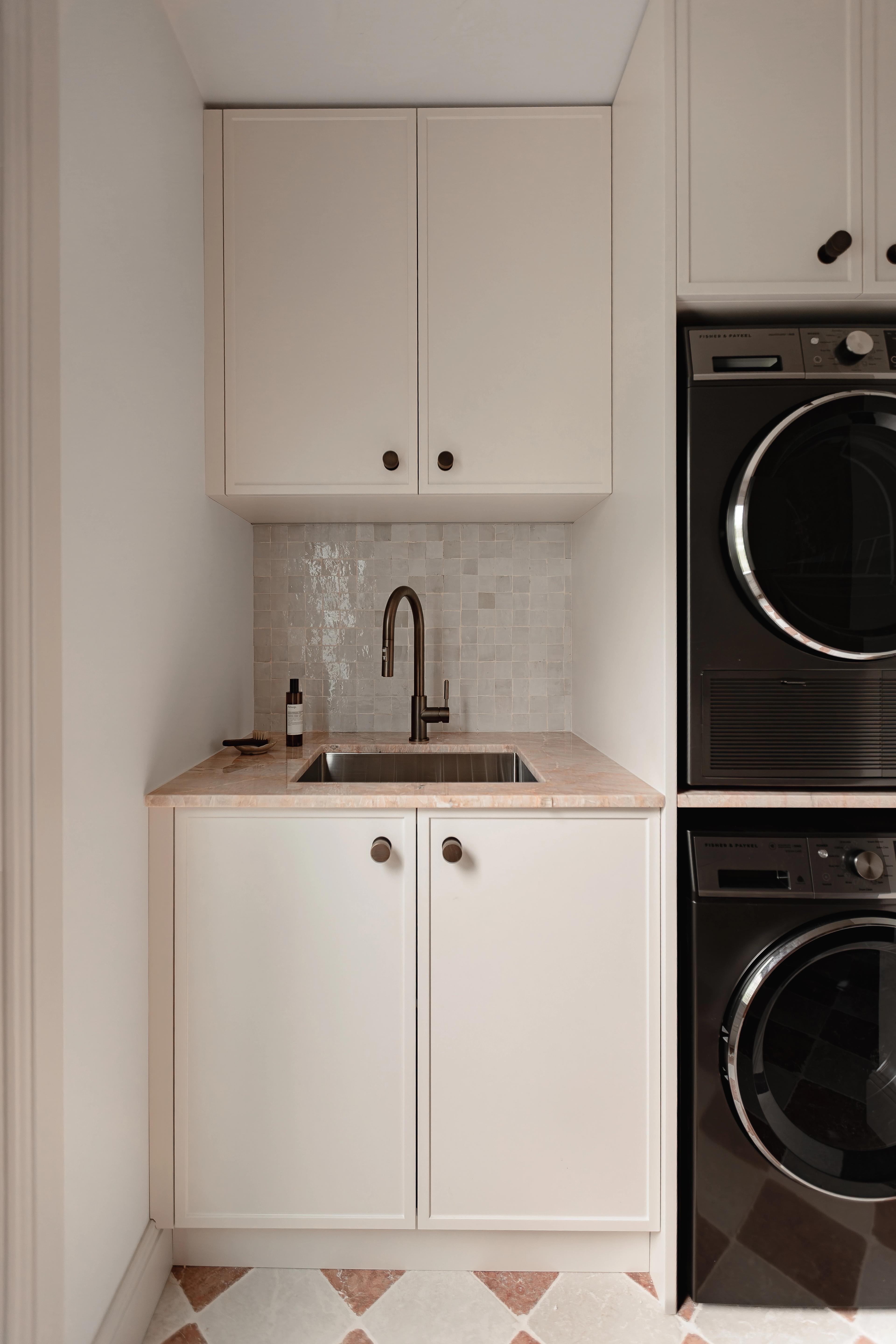
Look at the way you move through each room and how different areas of the home connect. Cramped walkways, awkward door swings and wasted corners can all make a home harder to use than it needs to be. If people constantly bump into each other while cooking, look at the relationship between your kitchen bench, sink, appliances and walkways. If the dining table blocks the path to the backyard, reconsider how the living and dining areas connect. If your laundry door clashes with cabinetry, changing the door or layout could make a small room much easier to use.
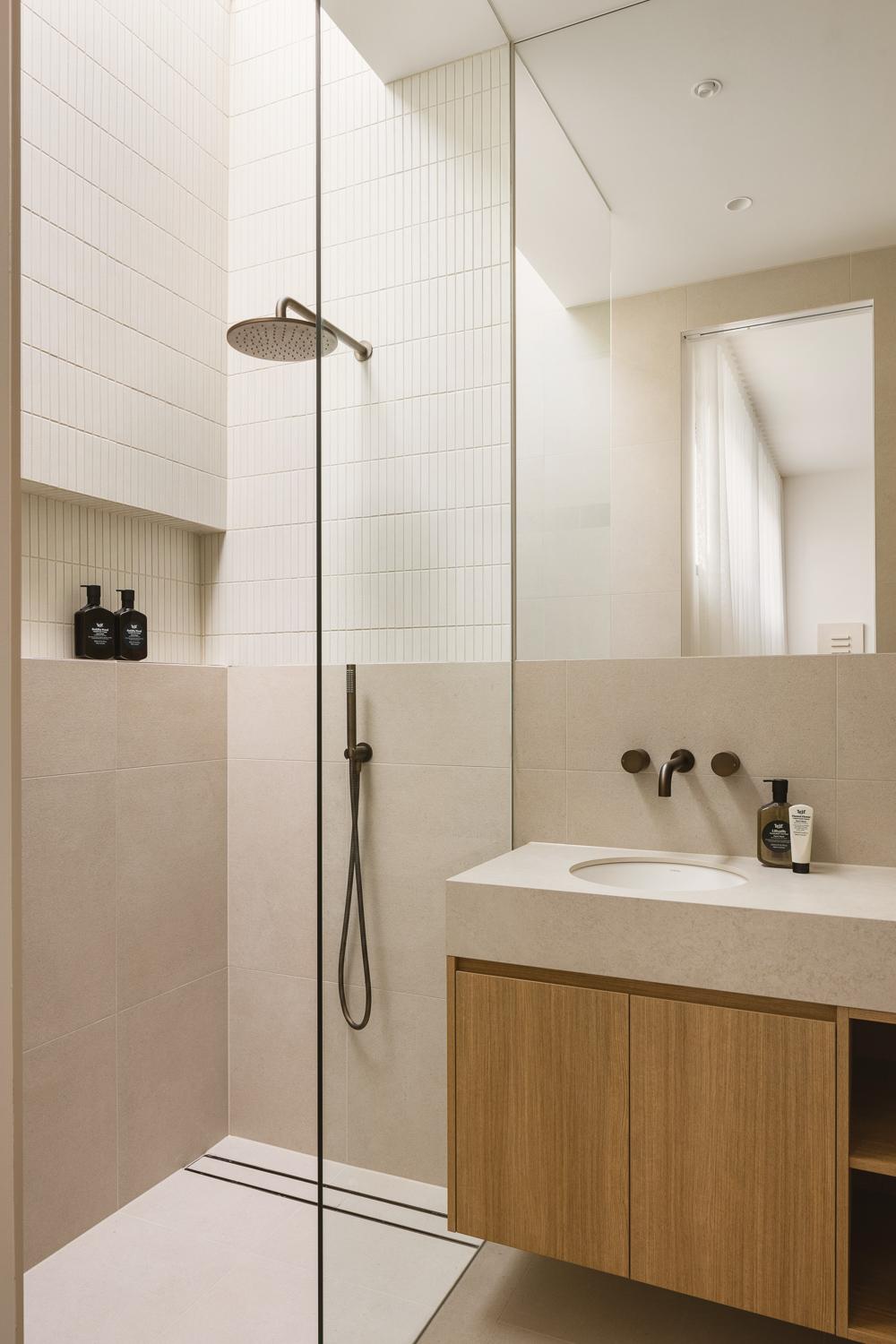
Bathrooms need the same kind of thinking. Look at shower access, vanity bench space, door swings and clearance around fixtures. Changing plumbing, electrical points and walls can add considerably to renovation costs, so don’t move things simply because you are renovating.
Start with what isn’t working as well as it could, then decide whether adjusting the layout is worth the investment.
2. Add storage where you actually need it
Rather than adding cupboards wherever they fit, look at where clutter repeatedly builds up. That is usually a pretty good clue that the area needs a better storage solution.
If everyone walks through the front or back door and immediately drops shoes, school bags, jackets and keys, consider creating a small mudroom area or dedicated drop zone. You don’t necessarily need a separate room. An unused section of wall could become a built in bench with shoe storage underneath, hooks above and a cupboard for bags and jackets.
Apply the same thinking throughout the house. If appliances permanently cover your kitchen bench, an appliance cupboard or deeper cabinetry could free up useful preparation space. If your vacuum, mop and cleaning products have nowhere to go, tall laundry storage could solve the problem. Bedrooms with overflowing wardrobes might benefit from cabinetry that uses the full height of the wall.
Bathrooms need practical storage too. Hair tools, skincare, toiletries, towels, spare toilet rolls and cleaning products all need somewhere to live. Vanity drawers, mirrored cabinets, shower niches, towel storage and robe hooks can help keep everyday items within reach without covering every available surface.
Built in options are usually easier to plan during a renovation than afterwards, so identify these areas before work begins. The aim isn’t more storage for the sake of it. It is spending on storage that solves a problem you already know you have.
3. Improve natural light and your lighting plan
Walk through your home during the day and notice which rooms still need the lights switched on. A dark kitchen, hallway or living area may be worth addressing as part of a larger renovation, particularly if poor natural light affects how you use the space.
Depending on the home, a larger window or skylight could bring more daylight into an existing room without increasing its footprint. If you are already changing the floor plan, consider whether moving a doorway or opening up part of a room could allow light to travel further through the house.
You can also make a difference without changing the structure. A large mirror can help reflect available daylight, while keeping windows unobstructed and choosing window treatments that balance privacy with light can help you make better use of what is already there.
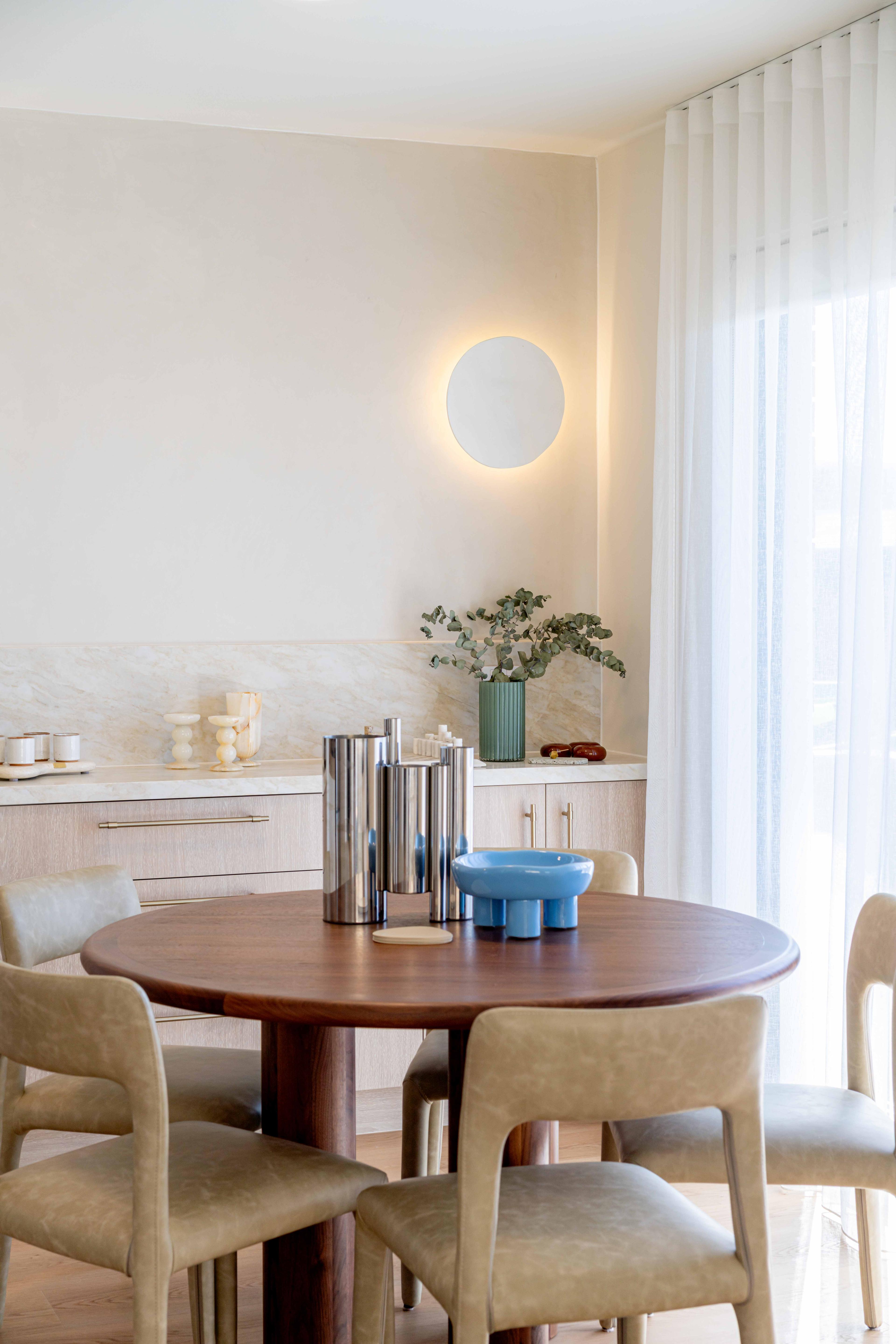
It is also worth putting some of the budget towards a well thought out lighting plan. Think about how you use each room at different times of the day rather than relying on one type of light to do everything. Downlights can provide practical general lighting, while wall lights, pendant lights and focused task lighting give you more control over the brightness and mood of a space.
In a kitchen, that might mean focused lighting over benches for food preparation. In a living room, softer wall or pendant lighting can work better when you are winding down at night. Bathrooms also benefit from having practical general lighting paired with considered lighting around the vanity.
Larger changes such as new windows and skylights need to be planned with the relevant trades, taking structure, privacy, waterproofing and ventilation into account. Before assuming you need more space, consider whether better natural and artificial lighting could help the existing space work harder.
4. Choose quality for permanent fixtures and finishes
When you are working out where to spend your renovation budget, pay particular attention to the parts of the home that will be difficult, disruptive or expensive to replace later.
Flooring, benchtops, cabinetry, hardware, tapware and showers are all good examples. They need to handle regular use, so choosing them based on function and quality as well as appearance can be worth the extra consideration upfront.
This doesn’t mean buying the most expensive version of everything. Think about how often you will use something, what it is made from, how you will maintain it and how difficult it would be to replace if it doesn’t perform the way you need it to.
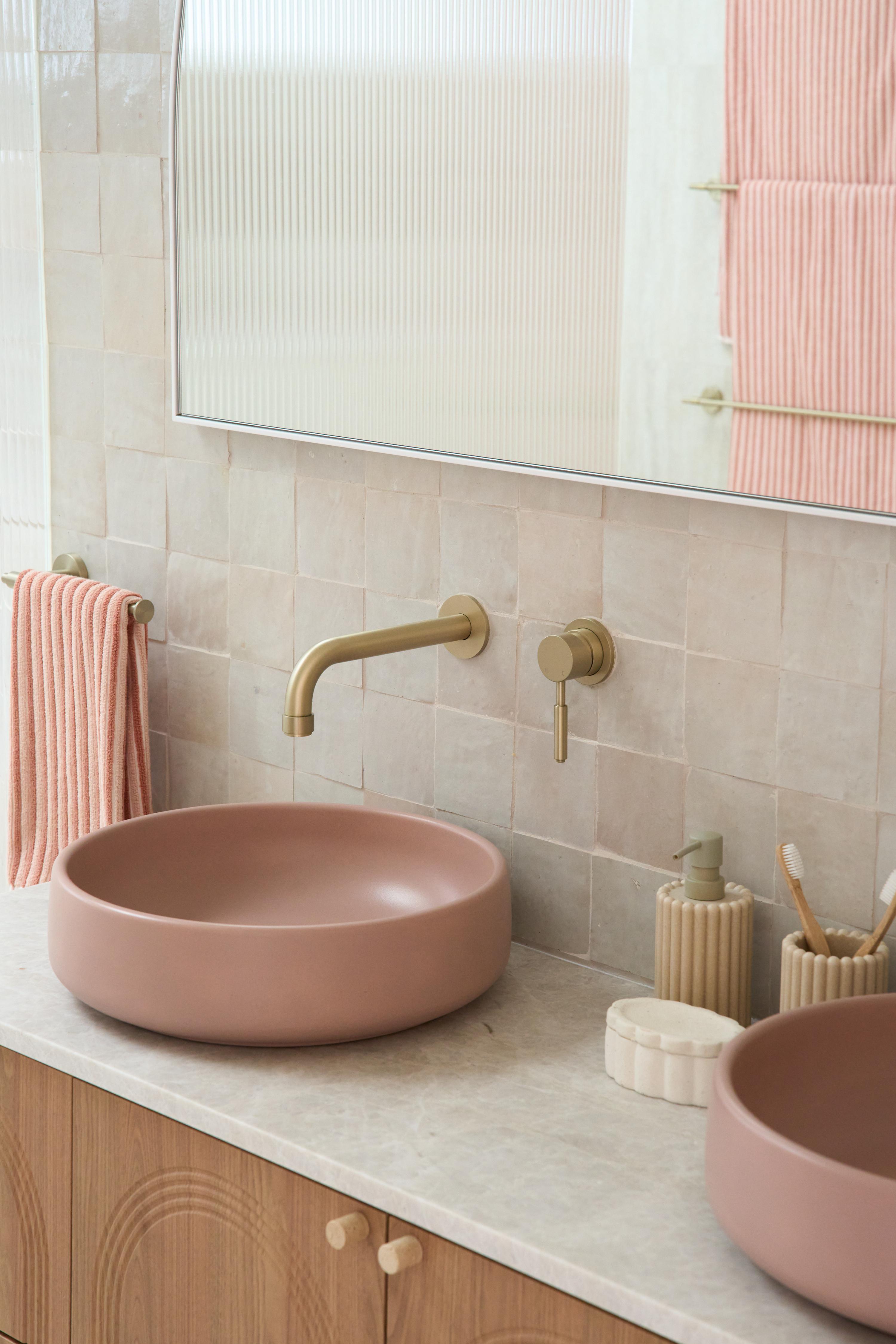
Tapware is a good example. A kitchen mixer can be used dozens of times in a single day, while bathroom taps and showers also need to handle regular use. When comparing Bathroom Tapware, Kitchen Tapware and Showers, look at materials and construction, warranties, Australian certification where applicable and WELS ratings for relevant products. Check cleaning requirements, suitability for the intended location and whether clear product information and support are available too.
Finish still matters because these fixtures form part of the wider room. If you are comparing Yabby finishes, Tapware Samples let you see the colour and finish in your own home before deciding. Quality doesn’t automatically mean expensive. The goal is to find the right balance between quality, function, style and budget, particularly for the permanent parts of the renovation you want to get right the first time.
5. Upgrade the rooms that work hardest
Trying to give every room the same share of your renovation budget can spread your money thinly. Instead, consider which rooms have the biggest impact on how your household lives day to day and whether they deserve more attention.
For many homes, the kitchen is one of those spaces. If you have plenty of cabinetry but almost no preparation space, putting more of the budget towards a larger bench could have more impact than replacing cupboard doors that are still in good condition. Better storage, lighting, a well positioned sink and reliable Kitchen Tapware are other changes that can improve how the room works every day.
Bathrooms are another hardworking area. If everyone is competing for the same basin each morning, adding a second one could be more useful than replacing perfectly good tiles. A more functional vanity, better storage, a practical shower setup or improved lighting and ventilation may also deserve a bigger share of the budget.
The same thinking applies beyond kitchens and bathrooms. If your laundry is constantly overflowing with washing and cleaning products, cabinetry, a usable work surface and dedicated hamper storage could make more sense than spending that money elsewhere. If your living area already looks good but is uncomfortable in the evening, improving the lighting may be the update you notice most.
Renovating on a budget isn’t only about spending as little as possible. It is about deciding which improvements will make the biggest difference to your household and putting your money there. You don’t necessarily need to completely renovate a room either. Targeted updates can solve the biggest issues while allowing you to keep the parts that already work.
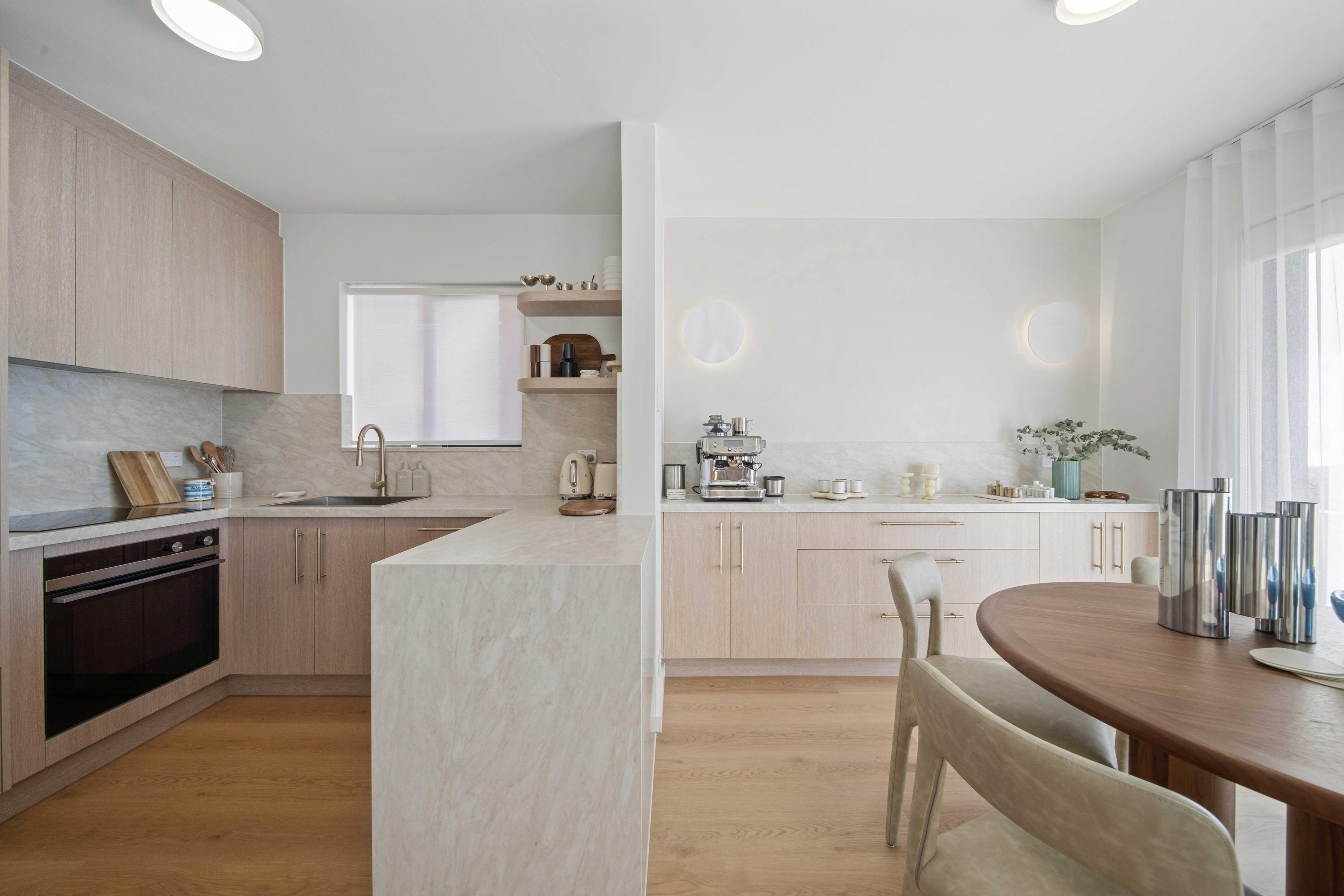
Make your renovation budget work harder
Adding value doesn’t always mean adding more. Often, it means making better decisions about the space and budget you already have.
Look at where the layout could work better, where clutter collects, which rooms need better lighting and which permanent fixtures and finishes are worth getting right. Then consider which rooms have the biggest impact on your everyday life.
Improve the things that genuinely need improving and keep the parts of your home that already work. It is a practical way to approach renovating on a budget while creating a home that works better for the way you live.
When you are ready to plan the hardworking details, explore Yabby’s Shop All Tapware and Showers.

Layla is a creative at heart, with an Advanced Diploma in Interior Design and being the Senior Marketing and Ecommerce Coordinator here at Yabby she has a passion for staying up to date with the latest trends within the industry. Known for going down a rabbit hole on Pinterest and being a sucker for a good mood board to kick off any project.