Types of Showers: How to Choose the Right One for Your Bathroom
Choosing a shower sounds simple until you start looking at the options. A fixed shower head, a Hand Held Shower, a ceiling mounted fitting or a combination of both. Each one changes how your shower looks and how you use it.
Your shower is one of the most used fittings in your bathroom, so it's worth finding a style that works for your routine as well as your space. The right choice should feel comfortable to use, suit your bathroom layout and fit naturally with the look & feel you're wanting to achieve.
From compact ensuites to larger main bathrooms, understanding the different types of showers will help you narrow down the options and find the right fit.
What Are the Different Types of Showers?
The type of shower you choose affects more than where the water comes from. It can change how much flexibility you have, how the fittings sit within your bathroom and how easy the space is to clean.
The main types of bathroom showers include:
- Rain Showers: Fixed shower heads that come with a wall or ceiling shower arm, positioning the water above you.
- Hand Held Showers: Shower heads connected to a flexible hose, so you can lift them from their holder and direct the water by hand. Some sit on an adjustable rail, allowing you to change the height.
- Combination Showers: A fixed overhead shower paired with a Hand Held Shower, with a diverter on the rail to switch between the two.
- Hose Sprayers: Flexible fittings that make targeted rinsing and cleaning easier.
Rain Showers: Wall and Ceiling Mounted
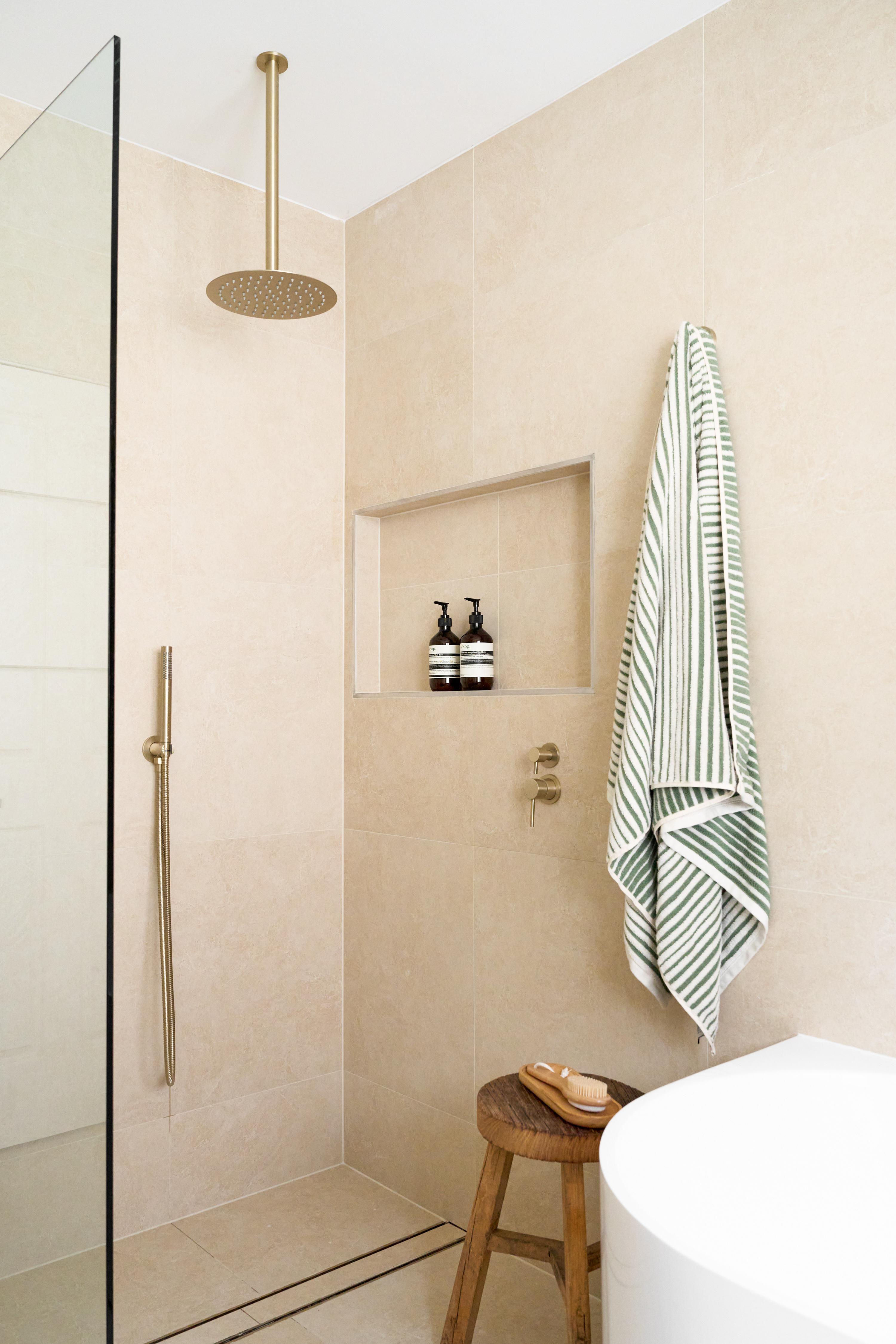
A Rain Shower is a great option when you want a simple shower setup without extra fittings on the wall. Yabby's Rain Showers come with the shower head and arm together, with options for wall or ceiling mounting.
A Wall Shower Arm and Head extends from the wall, positioning the shower head above you. It's a familiar style that works well in everything from compact ensuites to larger bathrooms.
A Ceiling Shower Arm and Head hangs directly from the ceiling, positioning the shower head overhead without a wall mounted arm. This can be a good choice for bathrooms where you want to keep the shower wall clear.
Both options have a fixed shower head, so the water falls from the same position each time. If you like to move the shower head around when rinsing your hair or washing down the shower, you may prefer a Hand Held Shower or Combination Shower.
What you'll need
Yabby's Rain Showers include the shower head and matching wall or ceiling arm, so you don't need to choose those pieces separately.
You'll also need a shower mixer or a set of hot and cold taps to turn the water on and adjust the temperature. These are separate from the shower head and arm set. Your plumber will be able to confirm the installation requirements for your chosen wall or ceiling mounted shower.
Design tip: A Ceiling Shower Arm and Head is worth exploring if you're planning a walk in shower and prefer fewer fittings on the wall. A Wall Shower Arm and Head can be a practical choice when you're renovating an existing bathroom and want to work with the current wall plumbing, provided the outlet position and fittings are compatible.
Explore Yabby's Rain Showers.
Hand Held Showers
A Hand Held Shower gives you more flexibility in your daily routine. The shower head sits in a wall mounted holder and connects to a flexible hose, so you can use it as a fixed shower or take it out to rinse your hair, clean the shower or direct the water exactly where you need it.
Some Hand Held Showers sit on an adjustable rail, which lets you move the shower head up or down to suit your preferred height. Others have a fixed wall bracket.
They can also work as a secondary shower fitting alongside a Rain Shower. You get the fixed shower head for everyday use, with the Hand Held Shower available when you need to rinse a particular area or clean the space.
What you'll need
A Hand Held Shower generally comes with the shower head, flexible hose and a holder or rail, depending on the product.
You'll also need a compatible water connection and a shower mixer or suitable set of hot and cold taps.
If you're planning to use a Hand Held Shower alongside a separate Rain Shower, your plumber will need to confirm the appropriate plumbing arrangement and diverter for the products you've selected.
Practical tip: Think about the height of the holder or rail, particularly if more than one person uses the bathroom. An adjustable rail gives you the option to move the shower head up or down rather than relying on one fixed position.
Explore Hand Held Showers.

Combination Showers
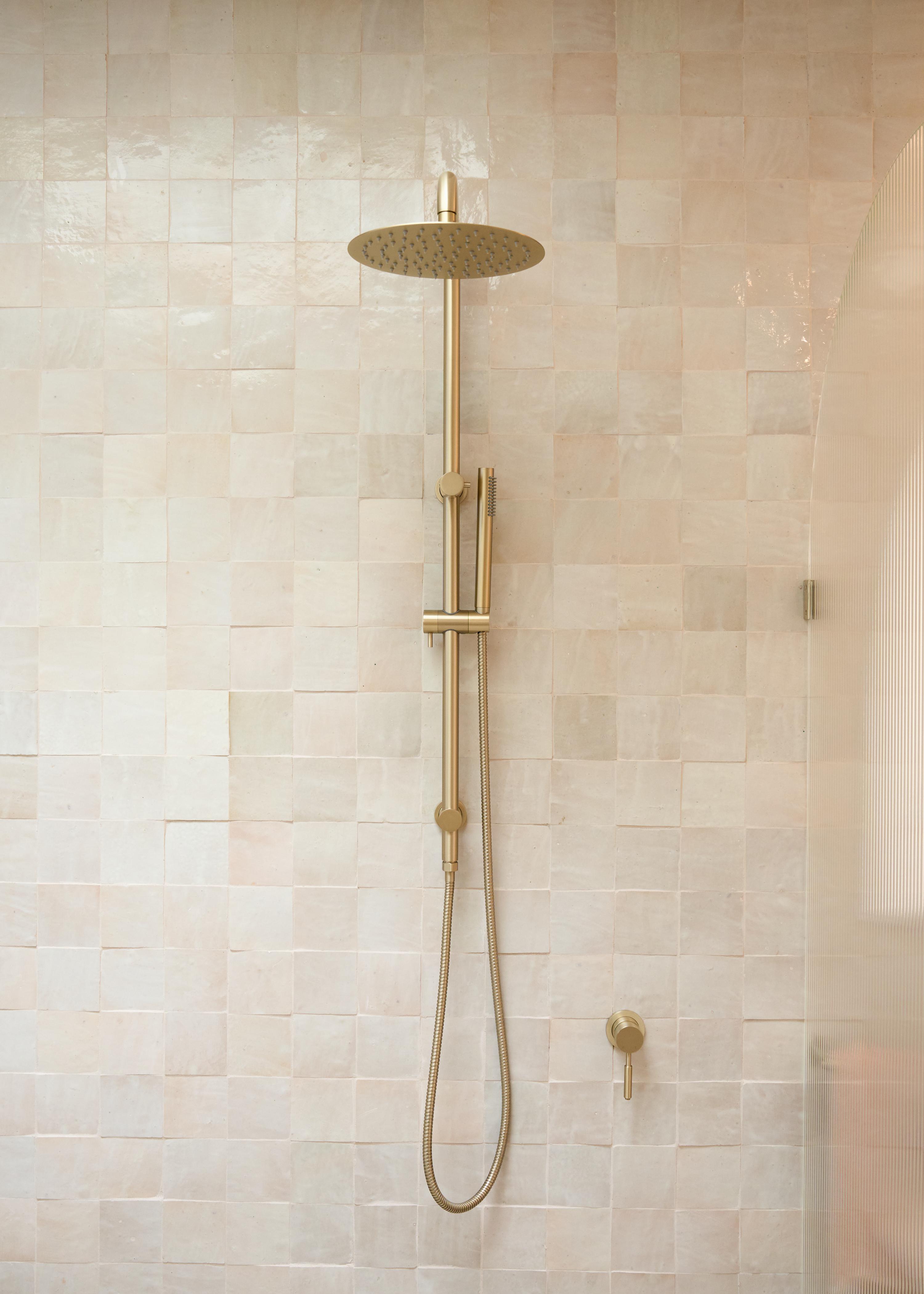
A Combination Shower is a great option if you love the look and feel of a Rain Shower but still want the flexibility of a Hand Held Shower.
You get both in one setup, so you can enjoy the fixed overhead shower or switch to the handheld sprayer when you want more control over the water direction. Yabby's Combination Showers have a diverter built into the rail, making it easy to switch between the two.
It's also a practical choice for shared bathrooms, especially when everyone has different preferences. Some prefer the simplicity of an overhead shower, while others like having the freedom to move the shower head around.
What you'll need
Yabby's Combination Showers include the fixed shower head, Hand Held Shower and the diverter on the rail, so you don't need to purchase a separate diverter to switch between the two.
You'll still need a compatible shower mixer or suitable set of hot and cold taps to turn the water on and control the temperature. It’s always best to check the product specifications with your plumber before installation to confirm the plumbing requirements.
Practical tip: Position the shower mixer or taps where you can reach them from the shower entrance, without having to stand directly under the water. It's particularly useful on cooler mornings when you want to get the temperature right before stepping in.
Explore Combination Showers.
Hand Showers and Hose Sprayers
There are plenty of moments when being able to direct the water makes life easier, especially when you're cleaning the bathroom.
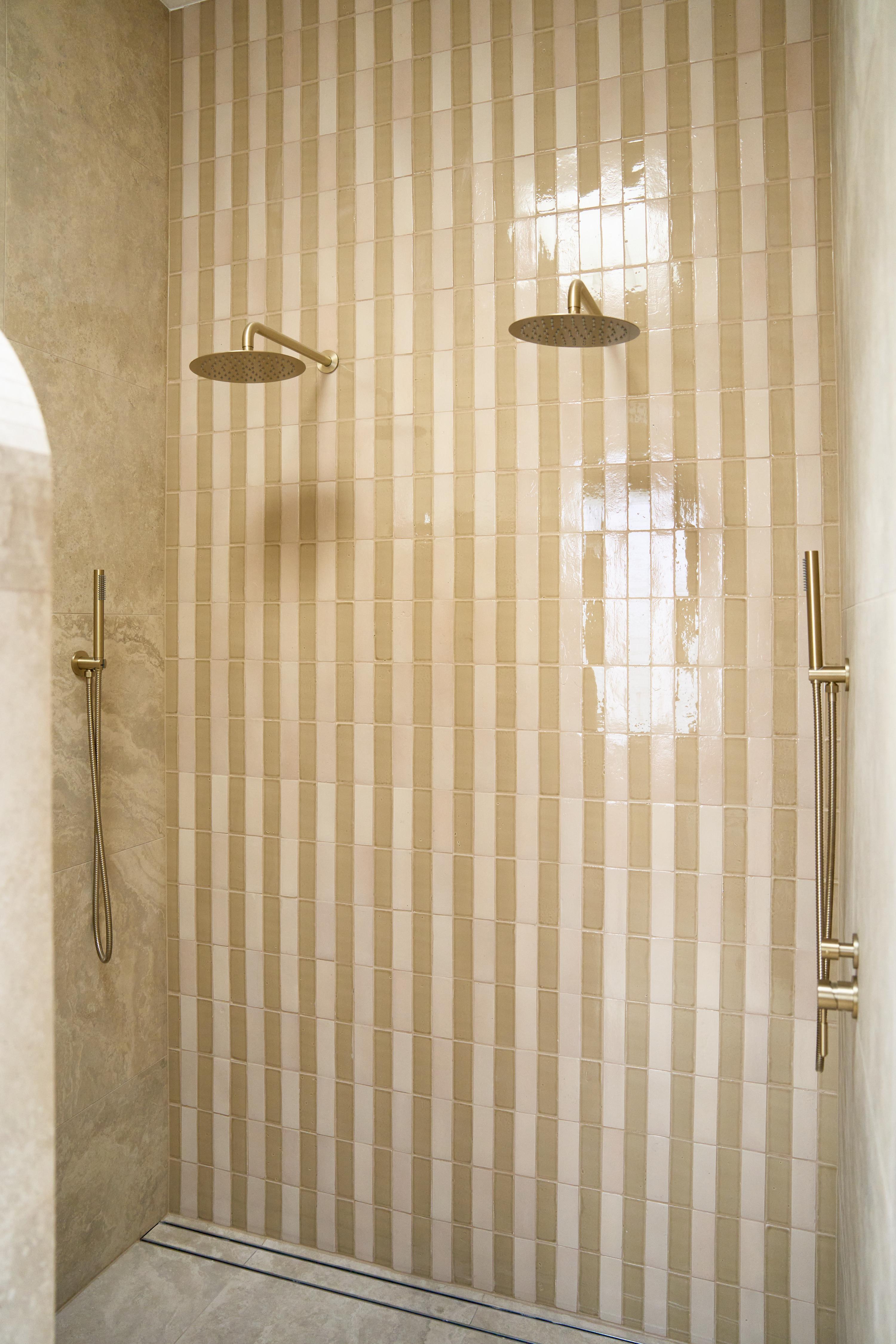
Hand showers and hose sprayers give you that flexibility. Rather than relying on water falling from one fixed position, you can move the sprayer to rinse the shower screen, wash down tiled walls or reach around fittings. If you're choosing one primarily for cleaning, think about how far the hose will need to reach and where you'll store the sprayer when it's not in use.
What you'll need
Depending on the product, a hose sprayer setup may include the sprayer, hose and holder. You'll also need a suitable water connection and a compatible mixer or tap arrangement.
Practical tip: Check the hose length against the size of your shower. Being able to reach the far corners and shower screen can make regular cleaning much easier.
Explore Hand Showers and Hose Sprayers.
How to Choose the Right Shower for Your Bathroom
The best shower for your bathroom isn't always the one you first saved to your renovation moodboard. A shower might look great in a photo, but it's the everyday details that determine whether it works for your home.
Think about how you use your shower
Start with your usual routine.
If you're happy standing under a fixed shower head and don't often need to move the water around, a Rain Shower may be all you need. If you regularly rinse your hair separately, prefer to adjust the shower height or want an easier way to clean the shower, a Hand Held Shower is worth considering.
A Combination Shower is a good middle ground when you want both options available.
Consider your bathroom layout
The size and shape of your shower can influence which fittings will work best.
In a compact ensuite, a Rain Shower can keep the setup simple. A Hand Held Shower can also work well, particularly if you want flexibility without adding a separate overhead fitting.
In a larger main bathroom, you may have more room for a Combination Shower.
Think about the shower screen, niche and door opening, too. You'll want enough space to move comfortably and reach the fittings without stretching across the shower.
Think about the look you're creating
Your shower fittings play a part in the overall bathroom design.
A Ceiling Shower Arm and Head can suit a minimal bathroom where you want fewer fittings on the wall. A Wall Shower Arm and Head creates a familiar look that works across a range of bathroom styles. A Hand Held Shower or Combination Shower adds a little more hardware, but it also gives you more ways to use the space.
Choose a finish that suits your bathroom
The finish of your shower can make a noticeable difference to the overall look.
For a cohesive look we recommend keeping the same finish across your shower, basin tapware and accessories, or use a contrasting finish against your tiles.
For example, a Warm Brushed Nickel finish can sit beautifully alongside beige or natural stone tones, while a darker finish can add definition against lighter tiles.
If you have tile samples at home, look at them alongside your chosen tapware finish before making the final decision.
Explore the full Yabby Shower Range to compare different styles and finishes.
What to Consider Before Plumbing Rough-In
Once you've chosen your shower, there are a few practical details to sort out before installation.
Plumbing rough-in happens before your walls are finished, so your plumber needs to know which shower you're installing, where the water outlets will sit and what mixer or taps you'll be using.
Getting these details sorted early can save you from having to make changes after tiling.
Shower height and positioning
The position of your shower head affects where the water falls and how comfortable the shower feels to use.
With a Wall Shower Arm and Head, the outlet height and arm length will influence where the shower head sits.
For a Ceiling Shower Arm and Head, the ceiling outlet needs to be positioned to suit the shower layout.
If you're installing a Hand Held Shower on a rail, think about the range of heights you'll want to use and whether the hose can move freely.
Your plumber can help confirm the best positions based on your chosen products and bathroom layout.
Mixers, taps and diverters
Your shower head is only part of the setup. You'll also need a way to turn the water on and adjust the temperature.
A shower mixer generally uses one handle to control the flow and temperature of the water, while a set of hot and cold taps uses separate handles.
For a single Rain Shower or Hand Held Shower, a compatible mixer or tap setup is generally all you'll need to operate the shower.
Yabby's Combination Showers already include the diverter on the rail, so you can switch between the overhead shower and Hand Held Shower without adding a separate diverter.
Always check the specifications of your chosen fittings with your plumber before rough-in.
Plan where you'll turn the shower on
This is one of those small bathroom decisions that can make a real difference every time you use the shower. Where the layout allows, position your mixer or taps close enough to the shower entrance that you can turn the water on before stepping underneath the shower head.
That way, you can wait for the water to reach a comfortable temperature without getting wet first. It's particularly useful with a fixed Rain Shower, where you can't move the shower head out of the way.
Check your product specifications
Before installation, give your plumber the specifications for your chosen shower and mixer or taps. They'll need to confirm the water connections, mounting requirements and compatibility with your plumbing setup.
If you're renovating an existing bathroom, it's also worth checking whether your chosen shower can work with the current plumbing locations or whether changes will be needed.
For more renovation advice, explore Yabby's Bathroom Planning Articles.

Layla is a creative at heart, with an Advanced Diploma in Interior Design and being the Senior Marketing and Ecommerce Coordinator here at Yabby she has a passion for staying up to date with the latest trends within the industry. Known for going down a rabbit hole on Pinterest and being a sucker for a good mood board to kick off any project.