6 simple styling rules for a home that feels relaxed and inviting
Creating a home that feels relaxed and inviting isn't about filling it with expensive furniture or chasing every new trend. More often than not, it's the small decisions that make the biggest difference.
If you've ever walked into a home and wondered why it feels so comfortable, welcoming and easy to spend time in, there's usually a reason. The homes that always seem to get it right tend to follow a handful of simple styling principles that help rooms feel balanced, practical and connected.
The good news? Most of these ideas are achievable, regardless of your budget or where you are in your renovation journey. Whether you're renovating from scratch or simply refreshing a room, these six styling rules can help you create a home that feels relaxed, inviting and easy to live in.
1. Rug Sizing Matters More Than the Rug Itself
If a room doesn't feel quite right, the rug size is often worth checking first. It's one of the most common styling mistakes homeowners make and can have a surprisingly big impact on how a space feels.
Many people focus on colour, pattern or texture when choosing a rug, but scale plays a much bigger role in bringing a room together. A rug that's too small can leave furniture feeling disconnected from the rest of the space, while a larger rug helps create a stronger sense of flow throughout the room.
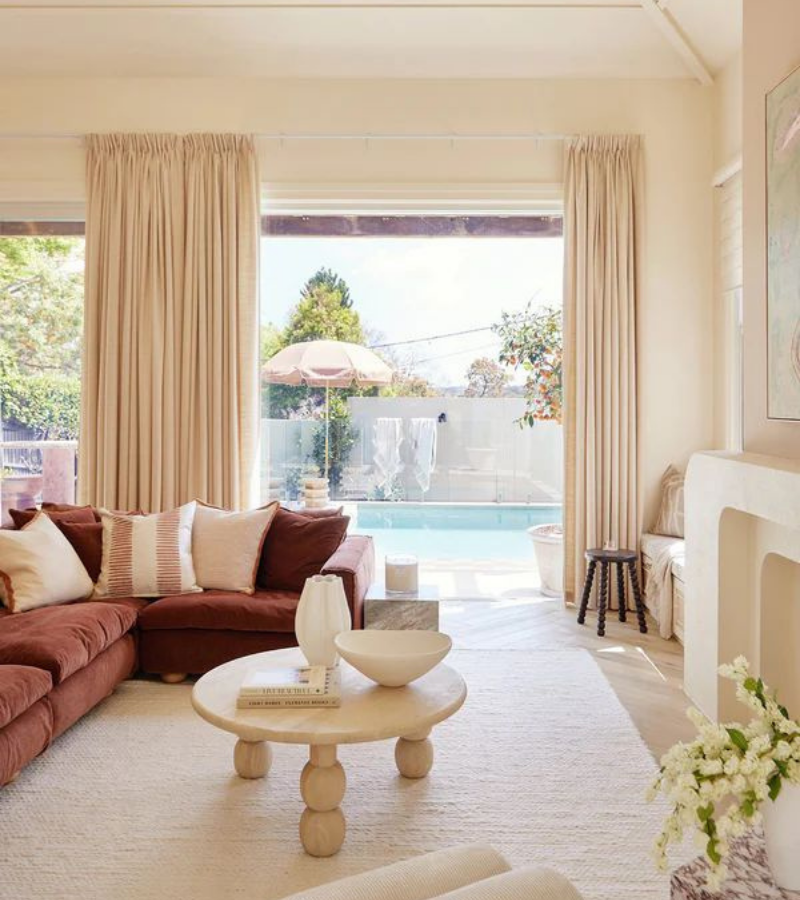
In living rooms, a good rule of thumb is to ensure the front legs of your sofa and occasional chairs sit comfortably on the rug. This helps connect each piece of furniture and creates a layout that feels intentional and balanced. The same principle applies in dining rooms, where the rug should extend at least 60 to 70 centimetres beyond the table on all sides. This allows chairs to slide in and out comfortably while helping the dining setting feel properly anchored within the room.
Think of your rug as the foundation that everything else sits on. Once the scale is right, the rest of the room often starts to make a lot more sense.
2. Getting Your Coffee Table Proportions Right
A coffee table should feel like it belongs with your sofa, not like it was added at the last minute. Getting the proportions right can completely change how balanced a living room feels.
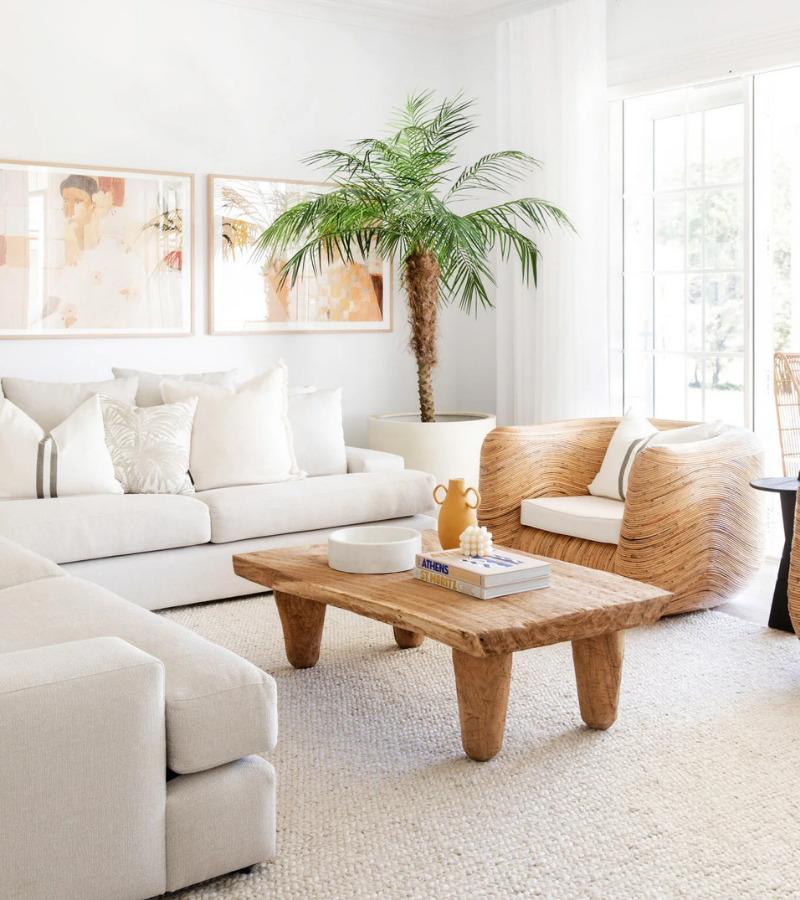
As a general rule, your coffee table should be around two thirds the length of your sofa. This creates enough presence in the room without making the space feel crowded. You'll also want to leave at least 30 to 45 centimetres between the sofa and coffee table so people can move around comfortably while still keeping drinks, books and remote controls within easy reach.
If you have a modular or L shaped lounge, consider choosing a round or oval coffee table. Softer shapes improve movement through the room and can help larger seating arrangements feel more relaxed and welcoming.
3. Keep Your Colour Palette Simple
One of the biggest differences between a room that feels relaxed and a room that feels busy often comes down to colour. When every piece of furniture, artwork and décor introduces a new shade, the eye doesn't know where to settle.
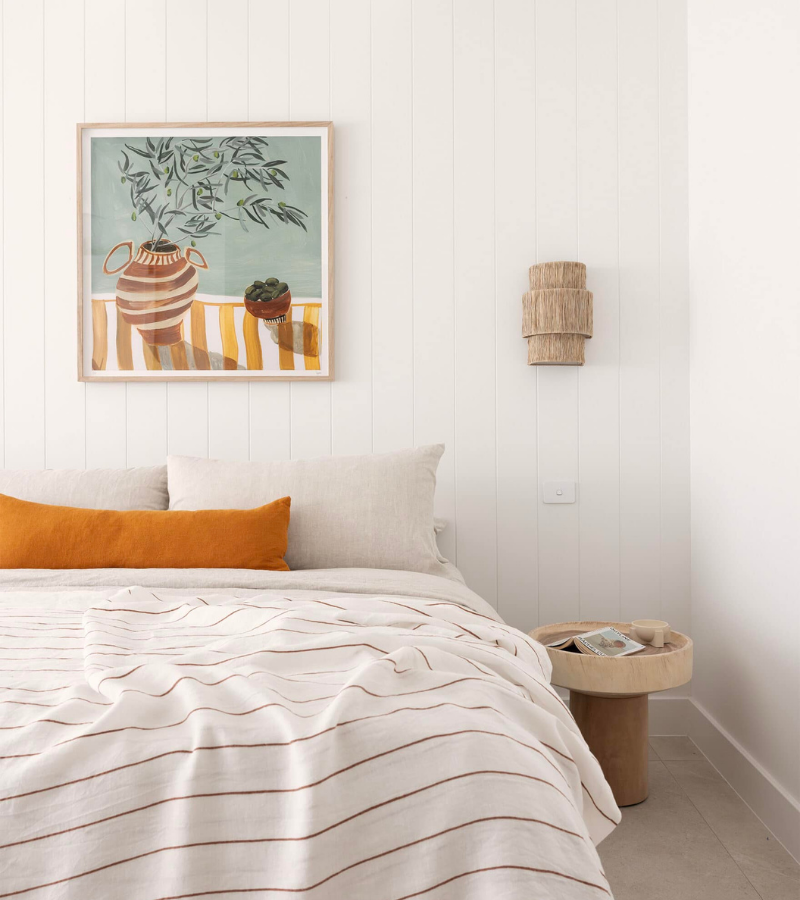
Instead, try limiting each room to three or four core tones and repeat them throughout the space. This doesn't mean everything needs to match. Rather, it's about creating consistency throughout the room. You might carry warm timber tones through furniture and shelving, or repeat a soft olive green through cushions, artwork, vases and ceramic pieces.
When colours are repeated intentionally, a room naturally feels more balanced and helps everything feel like it belongs together. It's a simple approach that can make a surprisingly big difference. If you're styling shelves, benchtops or open cabinetry, our guide to creating a flat lay is full of practical tips for arranging decorative pieces in a way that feels balanced and natural.
4. Start with the Right Sized Furniture
Before you start thinking about cushions, candles or coffee table books, make sure the larger pieces in the room are working hard enough. Furniture that is too small can make even a generous room feel unfinished, while furniture that suits the size of the space helps create balance and makes the room feel more settled.
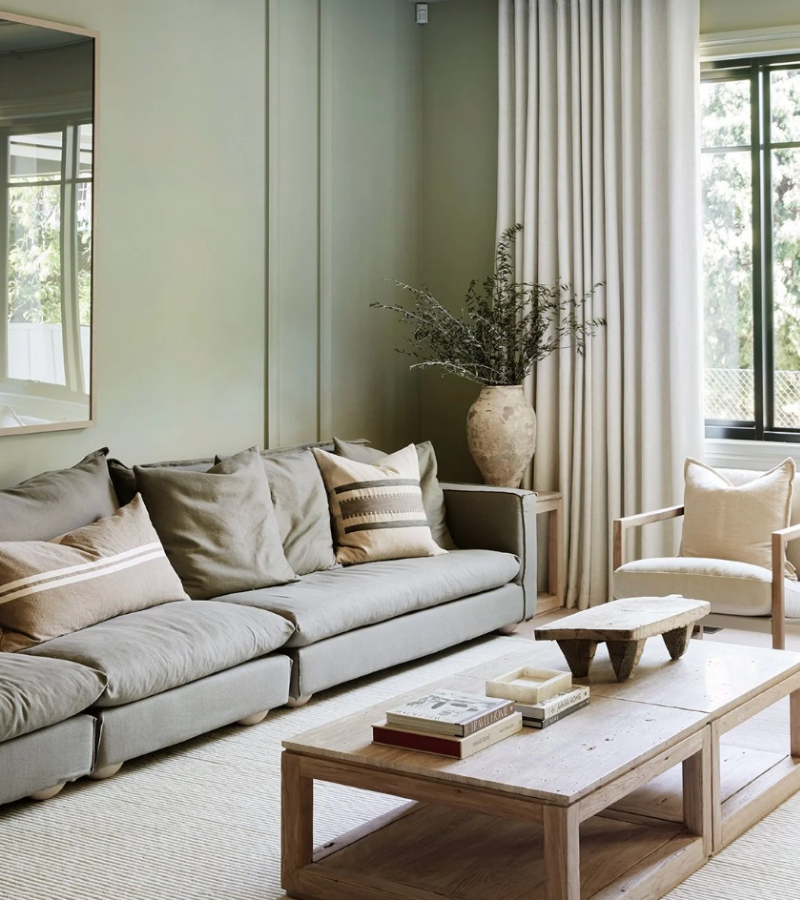
A simple example is side tables. Ideally, they should sit at or just below the height of your sofa arm. If they're significantly lower, they can feel disconnected from the rest of the furniture and become less practical to use.
Getting the scale right first makes every other styling decision easier. Once the larger pieces are working together, the finishing touches tend to fall into place naturally.
5. Layer Texture, Not Clutter
If you've ever wondered why some homes feel warm and inviting without being filled with decorative objects, texture is usually the answer.
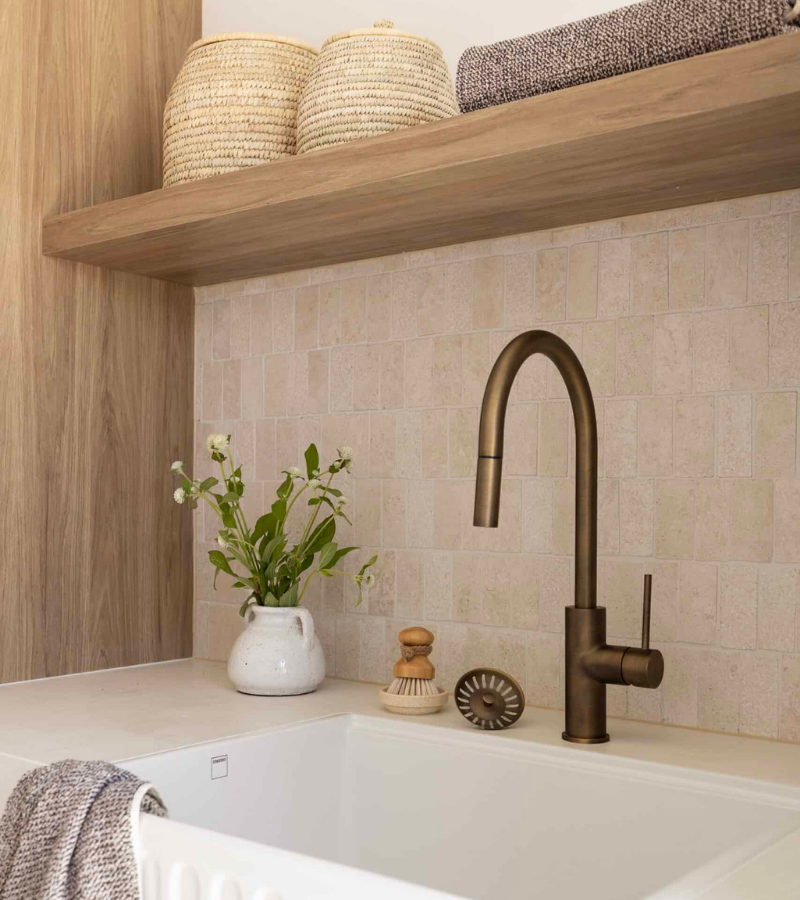
Rather than covering every surface with accessories, focus on layering different materials throughout the room. Think linen upholstery, sheer curtains, timber furniture, stone surfaces and ceramic pieces. Combining softer and harder materials adds interest and depth without making the space feel busy.
This approach works particularly well in kitchens, bathrooms and laundries, where practical materials naturally become part of the overall look. If you're planning a renovation, our guide to modern kitchen ideas explores how texture can add warmth and character without creating visual clutter.
It's also worth remembering that not every corner needs to be filled. Leaving a little breathing room often helps a space feel more relaxed and comfortable to spend time in.
6. Lighting Sets the Mood
Lighting is often one of the last things people think about, but it's one of the first things you'll notice when a room feels good to spend time in.
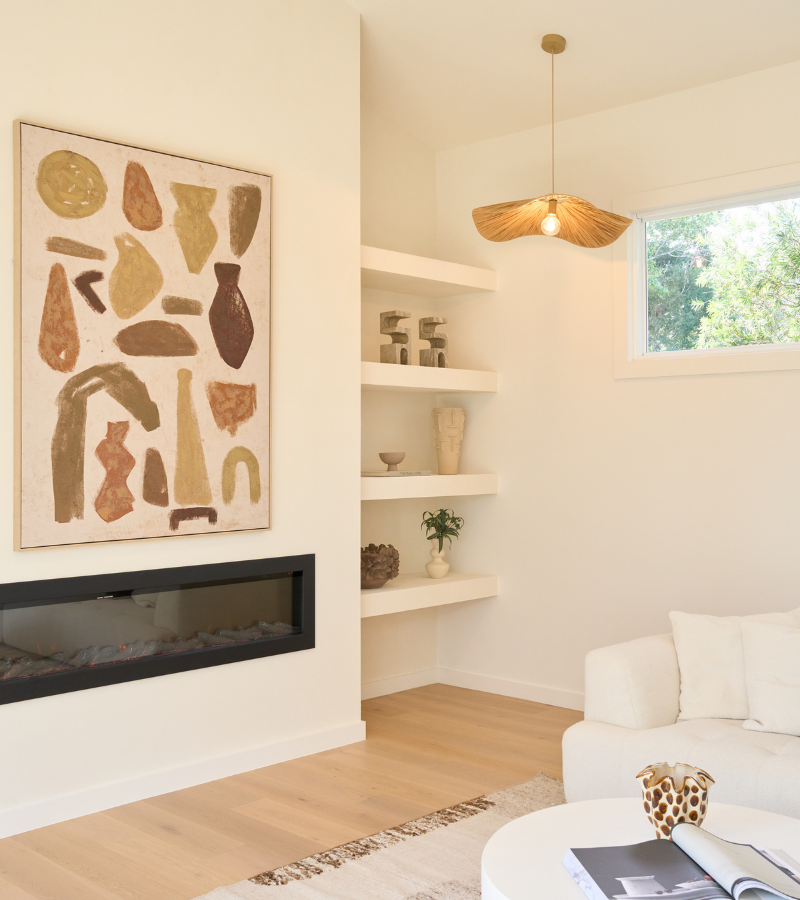
Designers often think about lighting in three layers: general lighting to brighten the room, practical lighting for everyday tasks, and softer lighting that helps a space feel warm and welcoming at night. Relying on a single ceiling light can make a room feel flat, particularly after dark.
Adding table lamps, wall sconces, pendant lights or floor lamps helps create warmth and gives a room a softer, more welcoming feel. As a guide, lamps should sit roughly at eye level when you're seated. It's a small detail, but one that can completely change the mood of a space.
Why These Styling Rules Always Work
The homes people love spending time in are rarely the ones with the most furniture or the most expensive finishes. Instead, they focus on getting the fundamentals right.
Good proportions, layered textures, a simple colour palette and well planned lighting all work together to create spaces that feel welcoming, comfortable and easy to live in. They're the details that often go unnoticed individually, but collectively make a home feel inviting from the moment you walk through the door.
Whether you're planning a full renovation or making a few simple updates, these styling rules can help you create a home that looks great, works well and feels right for the way you live.
Looking for more inspiration? Explore our guide to laundry design ideas for practical beautiful spaces, browse our tips for small bathroom design layouts, or explore our collection of modern kitchen ideas.

Layla is a creative at heart, with an Advanced Diploma in Interior Design and being the Senior Marketing and Ecommerce Coordinator here at TileCloud she has a passion for staying up to date with the latest trends within the industry. Known for going down a rabbit hole on Pinterest and being a sucker for a good mood board to kick off any project.